
Pistacia atlantica
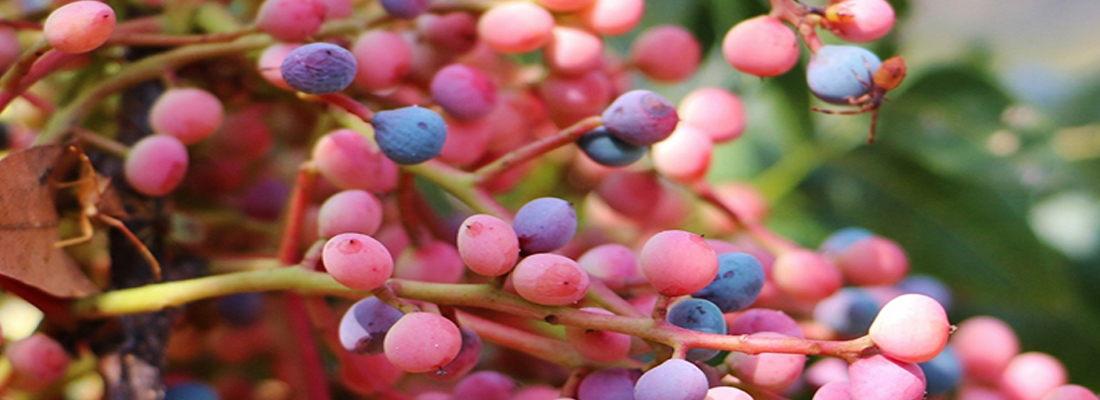
The Atlantic pistachio, also known as the Mount Atlas mastic tree (Pistacia atlantica), is a deciduous tree from the Anacardiaceae family and one of 11 pistachio (Pistacia) species. It is a flowering plant genus that bears red fruit with edible nuts. The plants are dioecious, with separate male and female trees; a sustainable population should include both sexes. The plant is native to the Mediterranean region and portions of western Asia, and it has significant morphological and biochemical flexibility, allowing it to live in dry and semi-arid conditions, where it thrives in rocky and mountainous locations, adding to its ecological and cultural relevance. Four subspecies of Atlantic pistachio have been identified in the Mediterranean region: atlantica, kurdica, mutica, and cabulica.
These plants are shrubs and small trees that grow to be 5-15 meters (16-49 feet) tall. The leaves are alternating, pinnately complex, and can be evergreen or deciduous, depending on the species. All species are dioecious, however monoecious individuals of Pistacia atlantica have been seen.
The wild pistachio oleo-gum resin is known as "mastix" in Germany and "Sakız Adası" in Turkey. The term "mastic" is used in both English and French.
Mastic has long been used as a flavoring ingredient in drinks, beverages, cakes, and pastries throughout the Eastern Mediterranean. Traditionally, it has been used to treat a variety of issues such as dysentery, gastrointestinal disorders, pyorrhea, dental problems, infectious diseases, and menstrual pain.
Resin and essential oils have medical and culinary purposes. Pistacia atlantica has traditionally been utilized for a variety of uses, including food, medicinal, fodder, and timber[1, 2]. The resin or essential oil is used for chewing gum, stomach infections, breath purification, sterility, colic, tonic, digestive, depilatory, gum strengthening, and wound and respiratory antibacterial. Furthermore, the resin essential oil is used in the formulation of some cosmetic products and fragrance, as a component in conservative dentistry[3]. This substance is used not only as a food, but also as an expectorant, sudorific, heart stimulant, diuretic, and to cure asthma, chest ailments, and stomach disorders.
During storage, there is a significant reduction in myrcene concentration and an increase in α-pinene content in fresh essential oils from Mediterranean locations. Myrcene accounts for 30-70% of the oil's makeup. Storage also leads to higher levels of fenchene, α-thujene, and myrtenal[4-6].
**Disclaimer: This content is for informational purposes only and is not intended to provide medical advice, diagnosis, or treatment. Please consult a qualified healthcare professional for personalized guidance.
Pistacia atlantica oleo-gum resin essential oils chemical composition (%) from three different regions.
|
|
Turkey |
Greece (Chios region) |
|
Myrcene |
5-20 |
30-70 |
|
α-Pinene |
50-70 |
15-60 |
|
β-Pinene |
2-5 |
0.5-2 |
|
Limonene |
1-5 |
0.2-0.5 |
|
Perillene |
1-2 |
trace- 0.3 |
|
β-Caryophyllene |
2-8 |
Up to 2 |
|
Myrtenal |
05-1 |
- |
|
α-thujene |
- |
2-7 |
References
1- Mahjoub, F., et al., Pistacia atlantica Desf. A review of its traditional uses, phytochemicals and pharmacology. Journal of medicine and life, 2018. 11(3): p. 180.
2- Ahmed, H.M., Traditional uses of Kurdish medicinal plant Pistacia atlantica subsp. kurdica Zohary in Ranya, Southern Kurdistan. Genetic Resources and Crop Evolution, 2017. 64(6): p. 1473-1484.
3- Bozorgi, M., et al., Five Pistacia species (P. vera, P. atlantica, P. terebinthus, P. khinjuk, and P. lentiscus): a review of their traditional uses, phytochemistry, and pharmacology. The Scientific World Journal, 2013. 2013(1): p. 219815.
4- Daifas, D.P., et al., Effects of mastic resin and its essential oil on the growth of proteolytic Clostridium botulinum. International Journal of Food Microbiology, 2004. 94(3): p. 313-322.
5- Ghalem, B. and B. Mohamed, Essential oil from gum of Pistacia atlantica Desf.: screening of antimicrobial activity. Afr J Pharm Pharmacol, 2009. 3(3): p. 87-91.
6- Najafi, M.H., et al., GC-MS Analysis and Antimicrobial Activity of the Essential Oil of Trunk Exudates of Pistacia atlantica var. mutica. Chemistry of Natural Compounds, 2014. 50(2): p. 376-378.
